Comment: Supporting Small Business scheme ‘prolongs the agony’ for hospitality and retail sector
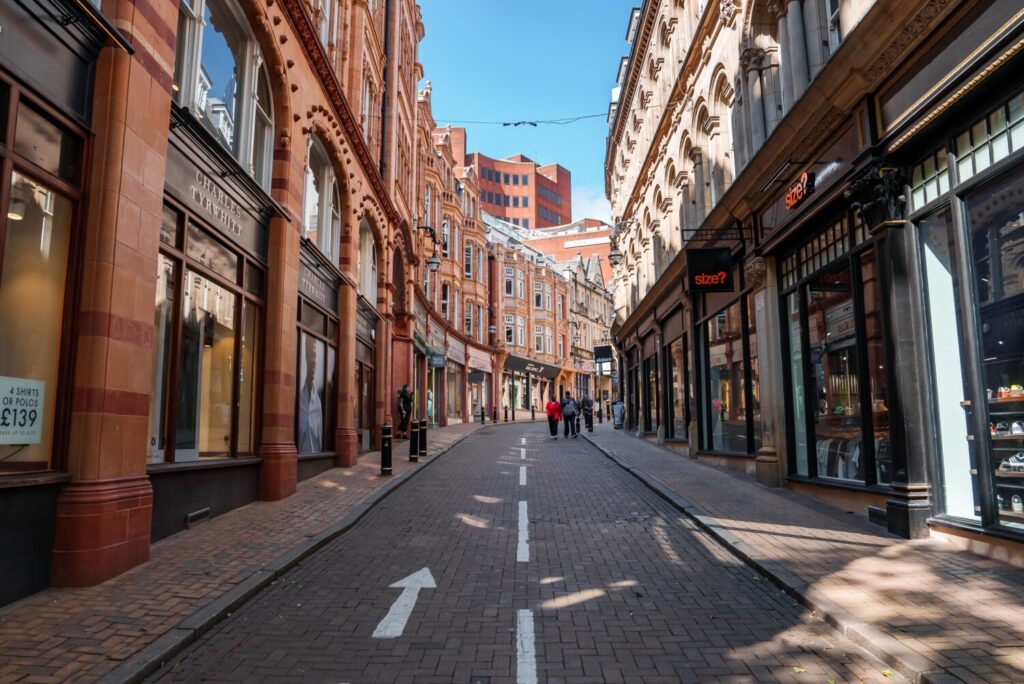
As the Government plans to introduce new measures to deal with business rates from April this year, a leading specialist on business rates at Form Property believes that retailers, pubs and restaurants in the UK are quietly heading towards a business rates reckoning – and some won’t survive it.
Andrea Barnes, head of business rates at Form Property, says that the retail, hospitality and leisure (RHL) sector is already ‘on life support’: “In recent years, many businesses have absorbed the loss of vital retail and hospitality relief – previously worth 75 per cent but reduced from April 2025 to 40 per cent. Layer on top of that the new legislation fixing multipliers at a minimum of 0.38, plus rising rateable values at the 2026 revaluation, and the numbers quickly become unworkable.
“For a typical independent pub or restaurant, rates bills are set to rise by an average of £8,000-£10,000 a year from April 2026. In some cases, increases are even higher – enough to swallow margins that are often already razor-thin.
“If the Government doesn’t act quickly, the fallout will be dramatic. New modelling from the UK hospitality trade body shows around six pubs, restaurants, hotels and other hospitality venues could be forced to close every day following the introduction of the new measures and as a direct result of rising business rates and the loss of reliefs unless ministers deliver further support across the sector.”
Barnes notes that when Labour entered office in July 2024, it promised to tackle long-standing unfairness in the business rates system and breathe life back into the high street. Following years of an approach that effectively penalised bricks-and-mortar businesses while giving online operators an easier ride, that ambition was widely welcomed. High street businesses have been paying heavily simply for occupying physical space. In contrast, many online retailers – often with far higher turnovers – have been faced with a much lighter rates burden. The result has been an uneven playing field that has accelerated the decline of town centres across the country.
“The Government’s first Budget in October 2024 appeared to signal meaningful reform,” Barnes continues. “Ministers announced the replacement of the two-multiplier system with five new business rates multipliers from April 2026. properties with rateable values below £500,000 were promised lower multipliers – roughly 5p in the pound below the national rate – with larger properties paying more to compensate for this reduction. On paper, it sounded like progress. In reality, particularly for RHL businesses, it risks becoming a hammer blow.”
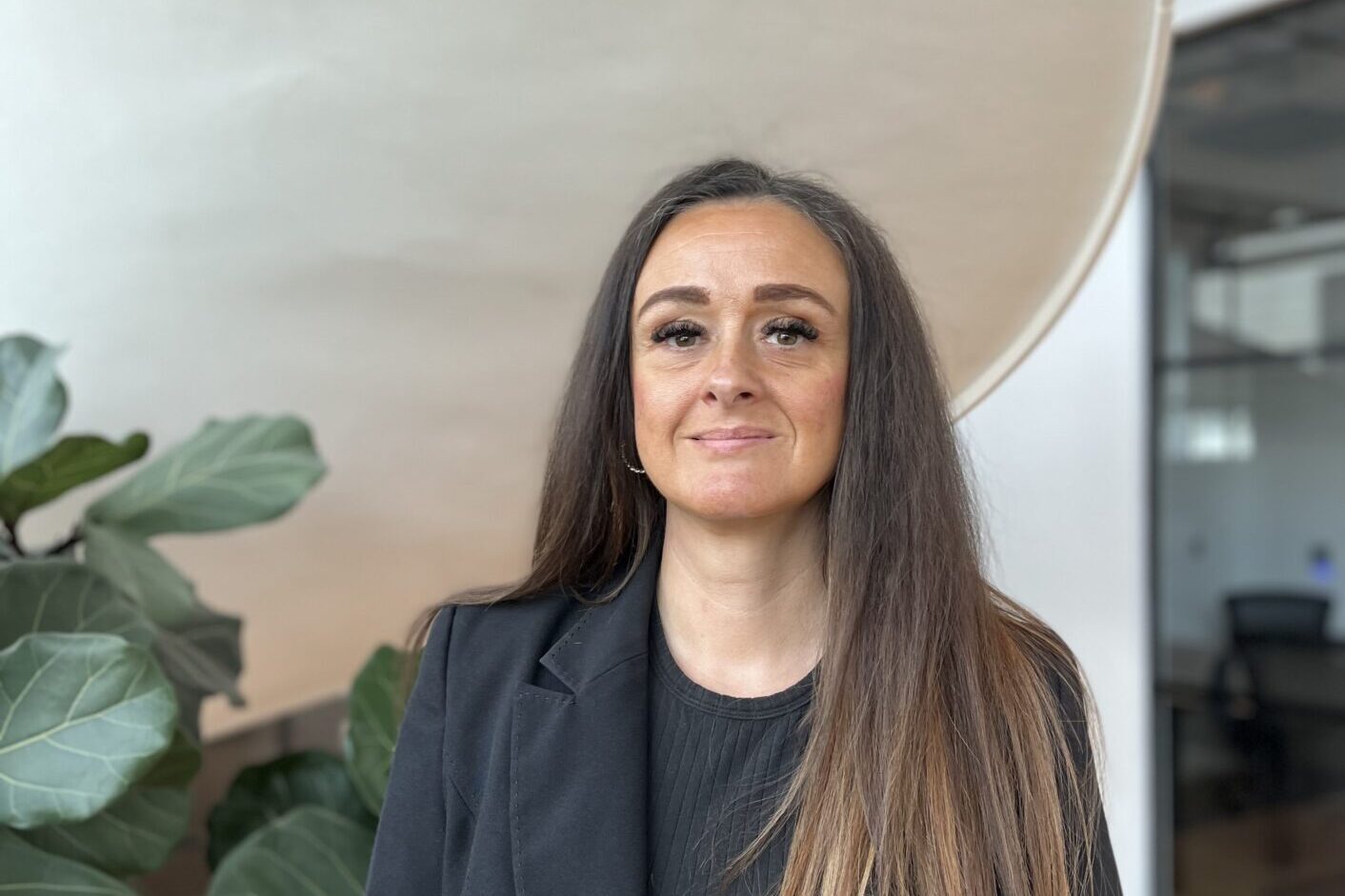
Andrea Barnes, head of business rates at Form Property
Barnes points out that there is one measure coming into effect shortly which offers the RHL sector some limited comfort: the expanded Supporting Small Business (SSB) scheme. From April 2026, businesses losing some or all of their relief will not face overnight shocks. Instead, increases will be capped as follows:
- Up to £20,000 (£28,000 in London): 5%
- £20,001 (£28,001 in London) to £100,000: 15%
- Over £100,000: 30%
- Or £800, whichever is greater
According to Barnes, this cap will soften the immediate blow and help cash flow in the first year. But it is not a solution to the long-term problem.
“Let’s be clear,” Barnes says, “the SSB scheme only prolongs the agony in the short-term – it does not offer a solution for the long-term consequences which will inevitably result. Take a high-street pub or restaurant whose rateable value rises from £55,000 to £100,000. Without relief, a 0.38 multiplier produces a bill of £38,000 a year for the same premises and turnover. The SSB cap limits the first-year increase to around £4,500, bringing the bill to roughly £28,000-£29,000 initially. But year-by-year, that figure will climb towards the full amount. For many independents, this trajectory is simply unsustainable.
While Barnes accepts that business rates reform should evolve with the times, she feels that if the current Government genuinely wants to encourage thriving town centres, pubs that anchor communities and restaurants that drive local economies, they must act – and quickly.
“The warning signs are already flashing. The question now is whether the Government chooses to listen – or the UK pays the price in even more boarded-up pubs, empty restaurants and hollowed-out town centres.
“Unless the Government tackles this headache before next year,” she concludes, “hundreds of businesses in the RHL sector will start closing their doors. The Supporting Small Business scheme buys some time but does little to support survival and encourage future growth. Without further intervention – including halting increases and actively reducing rates for the most vulnerable sectors – viable businesses will be priced off the high street. And once they are gone, they will not come back.”