SHW: Out-of-town retail sector remained strong in 2025
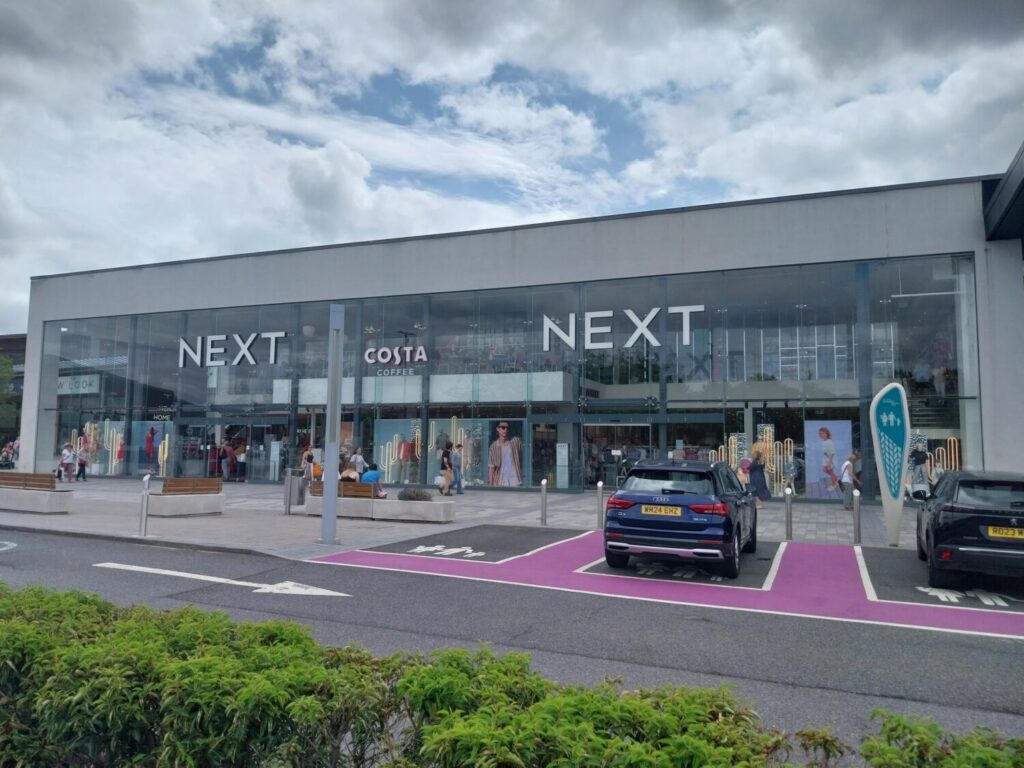
The retail warehousing sector remained strong throughout 2025, according to property advisory SHW’s Q1 2026 Retail Focus report.
The report found that retail warehousing was the standout sector within retail, with low vacancy rates, supply side constraints, and occupier demand leading to sustained rental growth in 2025.
SHW found that the investment market also continued to be buoyant in 2025, with over £2bn transacted. Although lower than 2024, investment volumes were in-line with the 10-year average, with returns on retail warehousing averaging 9.8% over the last 12 months. Investment activity focused in particular on good secondary stock, which can offer a more attractive return, with investors such as Redevco and Realty amongst those looking to capitalise on these opportunities.
Jeremy Good, director at SHW, said: “The occupational sector also remains robust. Vacancy rates remain relatively low at approximately 5%, and those units that came to the market following the failures of both Homebase and Carpetright were acquired by a range of other operators including food retailers, DIY stores, discount retailers and gym operators. We have also seen an increase in strategic acquisition of freehold interests of solus stores by a number of retailers to secure vacant possession for their own occupation at lease expiry.”
The report also states that acquisition activity across the sector has come from a variety of operators. Good added: “We have seen continued activity on “high street” biased schemes from operators including Next, Superdrug and M&S Food Hall, whilst the discount retailers, in particular Home Bargains and B&M continue to expand their portfolio.”
SHW said gym operators have continued to seek new space and are increasingly a viable alternative to retailers in a number of locations, bringing a different range of consumers to these schemes.
The report also states that food retailers have generally reported positive figures for the Christmas trading period, with Lidl and Aldi both showing a strong increase in sales. Lidl are now the fastest-growing supermarket chain in the UK. Other food retailers like Sainsbury’s, M&S, Tesco, Morrisons, and Waitrose all saw sales growth, although Asda reported a disappointing trading period.
The food and beverage and quick-service restaurant market has continued its expansion with the focus on the drive-through sector becoming increasingly competitive. The collapse of Pizza Hut has released a range of new opportunities, but many were quickly acquired by other restaurant formats.
The fried chicken operators in particular continue to be active, with Popeyes opening its 100th UK store in November and US fried chicken chain Raising Cane’s announcing plans to open drive-through restaurants in the UK.
Coffee operators are also pursuing acquisitions and continue to be large stakeholders in the market. Their preference for smaller units than the food operators can be beneficial on established retail parks, where space is generally limited and competition is high.
Jeremy Good added: “The retail warehouse sector is expected to remain resilient through 2026, underpinned by strong occupier demand and limited new development. Rental growth should continue, particularly in the drive-thru and discount retail sectors where competition for space is intense. Investor appetite for well-located secondary assets is expected to remain robust, while yields may see downwards pressure if interest rates fall. Overall, the sector offers steady returns and continued appeal for both occupiers and investors.”