Q&A: How can smaller retail destinations adapt their offerings?
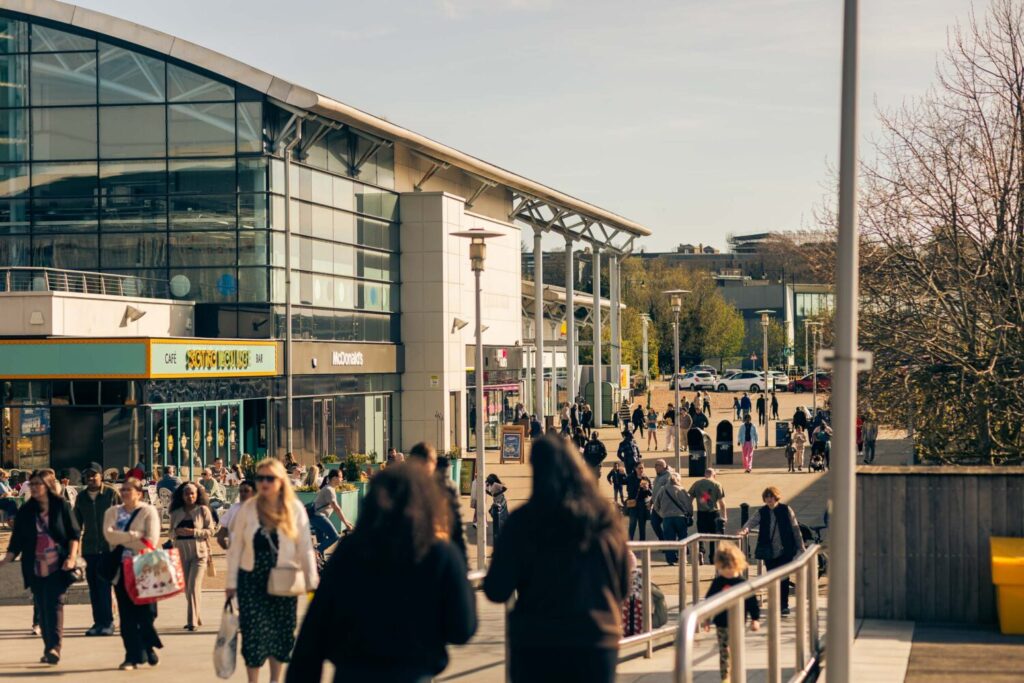
As middle markets continue to feel squeezed, how can smaller, more regional shopping destinations adapt their offerings to a modern customer base?
Peter Everest is managing director of WD Ltd – which owns Dockside at Chatham Maritime. The centre – located in Medway, Kent – comprises restaurants, cafés, bars, a range of high street brands and leisure attractions, as well as everyday conveniences and services such as a nursery and dentist.
He spoke to Completely Retail News about how the scheme has evolved to meet new demands:
How has retail evolved during your time in the industry?
“From 25 year upward only rent reviews to short term leases that allow flexibility and change, the landlord and tenant relationship has become a partnership that now also includes the consumer with all parties looking at sales data on a frequent basis.
“Significant macro-economic events such as the 2008 Global Financial Crisis and the more recent Covid pandemic and global unrest have completely reshaped consumer behaviour and many familiar high street brands that failed to adapt have left huge voids across retail space in the UK. The middle market hardly exists and middle market schemes are having to reinvent themselves.
“In those intervening years it has been the retail destinations who have worked closely with their visitor base who have adapted best and created spaces for brands that serve their needs, whether that be more leisure, F&B, or businesses that involve the consumer needing to be present.”
Dockside recently welcomed IWG’s first healthcare offering, do you expect health and wellness taking up more retail space?
“We were delighted to become one of the first retail destinations to bring healthcare to the high street, and IWG’s Humanly concept looks set to revolutionise access to health and wellbeing services. I strongly believe the future of shopping centres is to engage with businesses that need the consumer to come to the scheme, and healthcare is a prime example of this.
“Support for health and wellbeing needs is taking a far more significant role in everyday life, and there has been increased demand by industry practitioners for well-located spaces where they can have access to large communities. It is only natural that the high street and retail destinations are perfect locations for health and wellbeing hubs as they allow people to fit care and wellbeing into their everyday lives more conveniently.
“Meanwhile, concepts like Humanly remove upfront investment and long-term commitments allowing local healthcare and wellbeing professionals to build sustainable practices so they can focus on delivering exceptional care and reach more people.“

Peter Everest, managing director of WD Ltd
How can regional retail destinations evolve to ensure they meet modern-day requirements?
“A lot of people talk about diversifying retail so they become multi-use destinations but not many have actually done it. At WD we have two great examples of transforming regional retail destinations into high-performing, thriving assets.
“At Kingsgate in Huddersfield, we recognised the region’s desire for more leisure space, so we completely regenerated the former House of Fraser space into a 90,000 sq ft leisure complex, which includes The Light – a thriving operator which is home to a six screen cinema, bowling, games arcade, state of the art climbing centre, interactive darts, karaoke, and dining.
“The Light’s arrival, alongside the addition of new restaurant units and a recently opened Boots anchor store, allowed us to create a thriving destination for the community, which we recently sold last year for above our target price.
“Meanwhile at Dockside Chatham Maritime we have transformed the asset from a predominantly outlet-led centre into a vibrant, modern, mixed-use business, retail and leisure hub which truly serves one of the fastest growing communities in the Southeast and is now the central retail and leisure hub for the whole Medway region.
“Enhancing the F&B and leisure offering at the front of the scheme has been key to this strategy, and last year we welcomed 11,300 sq ft of new dining, grab-and-go and café operators including McDonalds and Sotto Lounge, alongside becoming the home of Barclays’ Medway branch, anchoring Dockside as an all-day destination for those across Chatham Maritime and the whole region.
“By creating a true mix of retail, leisure and an enhanced dining offering, regional retail destinations can serve the needs of their communities and play a key part in growing the local economy, ensuring these assets continue to thrive as modern all-round destinations.”
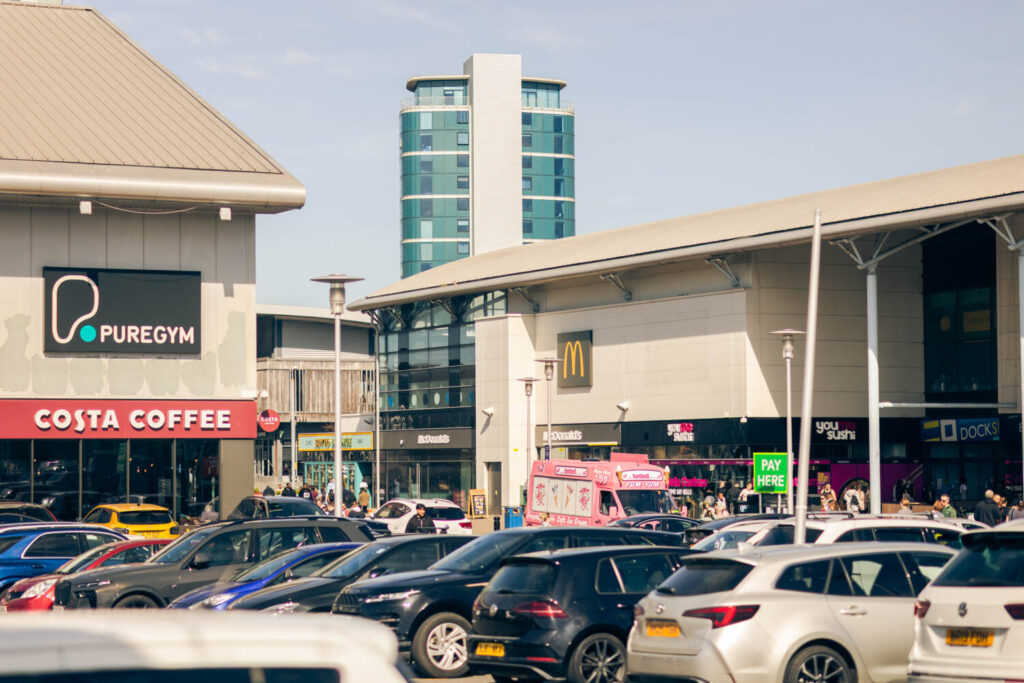
Dockside Chatham Maritime
What is important when curating a tenant mix?
“Every successful retail destination needs to reflect the needs of its local community and shopper audience. At Dockside, we have recognised the needs of the fast-growing Chatham Maritime community – comprising a resident population of 4.6 million, 14,000 businesses and over 12,000 student across four universities at the Medway campus – and have created a vibrant, modern, mixed-use business, retail, leisure and now healthcare hub.
“However, it is also important for retail destinations not to overlook established favourites in favour of untested new concepts. A mixture of tried and tested retail occupiers, alongside exciting new F&B and leisure offerings helps to encourage repeat visitation whilst still acting as a trusted place for shopper convenience.“
What new occupiers do you expect to see more of across retail destinations?
“Traditional retail remains a mainstay of any high street or retail destination, but over the next decade we will certainly see retail spaces being enhanced by alternative occupiers, such as health and wellbeing which play a key role as a new footfall driver.
“The continued importance on fitness will see more gym and sport occupiers, such as padel, take up more retail space across towns and cities, alongside the rise of health and wellbeing space.
“Meanwhile, the importance of leisure is only likely to grow, in particular, new leisure concepts which utilise a desirable physical offering with a strong social media presence will help both high streets and retail destinations to thrive as they draw in new audiences. The same goes for F&B operators especially given the trend of more GenZ shoppers choosing cafes and dessert shops as third spaces over bars and pubs.”