Comment: Korean brands in the UK – from consumer trend to leasing opportunity

By Alexandra Higham, associate director at LM
The rise of Korean brands in the UK is one of the clearest examples of how quickly international consumer trends can translate into mainstream demand. It is no longer a novelty to see Korean brands across food and beverage, supermarkets, and beauty taking space in leading shopping centres and performing strongly.
At LM, we have seen this momentum build first-hand. Our work across the UK retail market gives us a clear view of where Korean brands are performing, which locations are best suited to their growth, and how landlords can position them within a wider tenant mix. What is particularly notable is that many of these brands have first entered the market through smaller units, traded exceptionally well, and then used that success as a platform for wider expansion.
K-beauty is perhaps the most visible example. The sector has benefited from an ideal combination of product innovation, accessible price points and strong cultural relevance. Korean skincare is associated with quality, transparency, and efficacy, while online trends such as the ‘clean girl aesthetic’ and ‘glass skin’ have helped broaden K-beauty’s appeal across age groups, from Gen Z consumers discovering products through TikTok and K-pop culture to millennials and older shoppers looking for affordable, ingredient-led skincare that feels premium without being inaccessible.
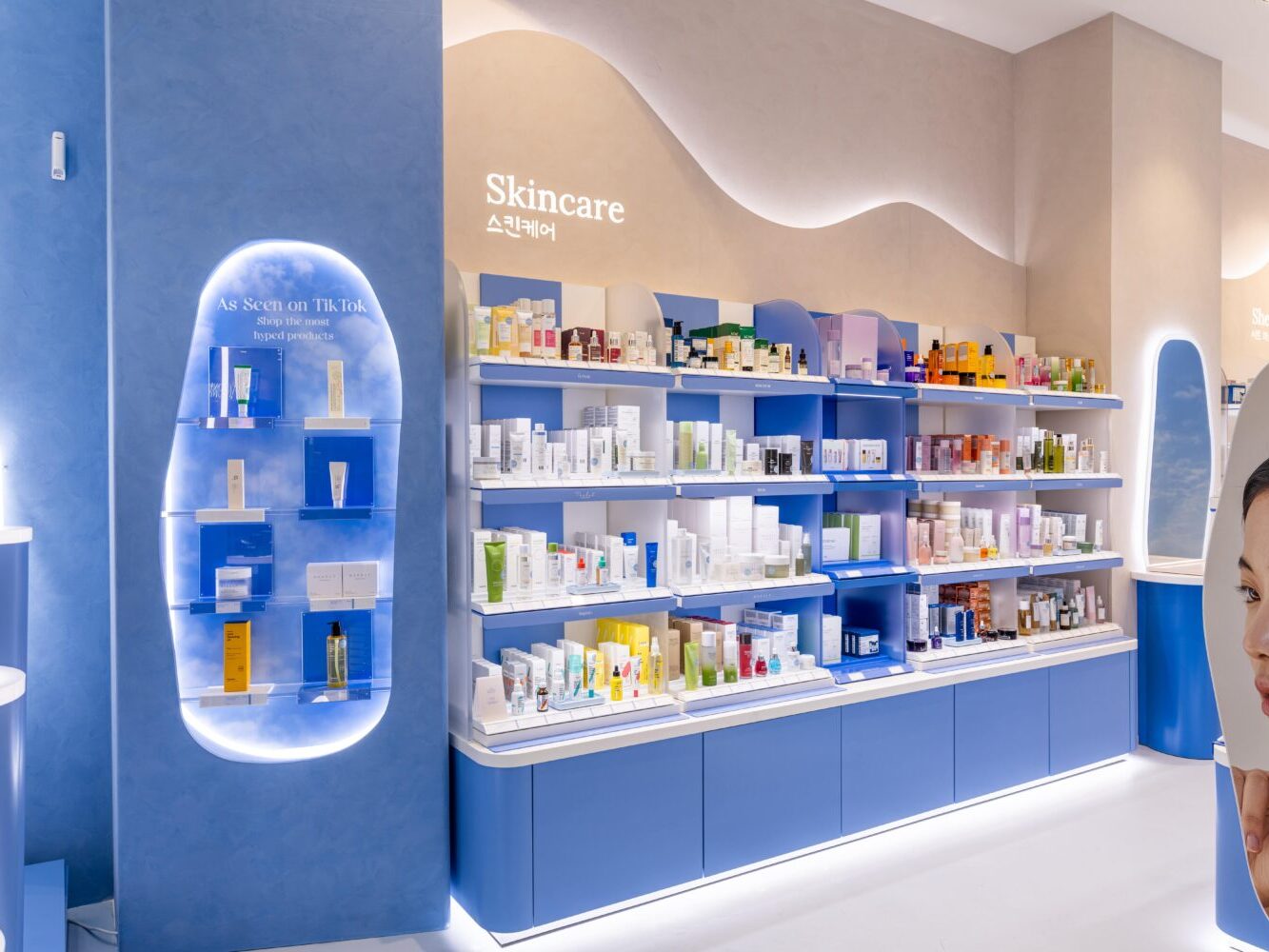
The interior of a PureSeoul store
This is why brands such as PureSeoul have been able to build such a compelling physical retail proposition. Online awareness may drive awareness, but stores create trust, education, and repeat purchasing, which is particularly important for brands and products that are new to the UK market. LM has worked with PureSeoul across key regional destinations and has seen first-hand how these brands speak to both established beauty shoppers and a new generation of highly engaged consumers. It has also been interesting to see traditional beauty halls embrace K-Beauty trends throughout their offering with John Lewis recently announcing its exclusive partnership with K-Beauty brand Skin Cupid.
The same pattern is evident in Korean food and beverage. Operators such as Bunsik have tapped into demand for grab-and-go food that feels fun and good value, while also meeting wider consumer interest in Asian flavours, convenience and informal dining. Korean concepts sit comfortably alongside trends around wellbeing, from healthier options such as rice bowls to affordable treats such as bubble tea and corndogs. One thing remains consistent across these brands: strong visual appeal plays a key role in drawing in shoppers.
LM has supported Bunsik with leasing activity at Westquay and Cabot Circus, both strong examples of destinations where a distinctive F&B offer can help broaden dwell time and add energy to the scheme. For our landlord clients, these brands bring cultural relevance, social media visibility and a reason for shoppers to make repeat visits.
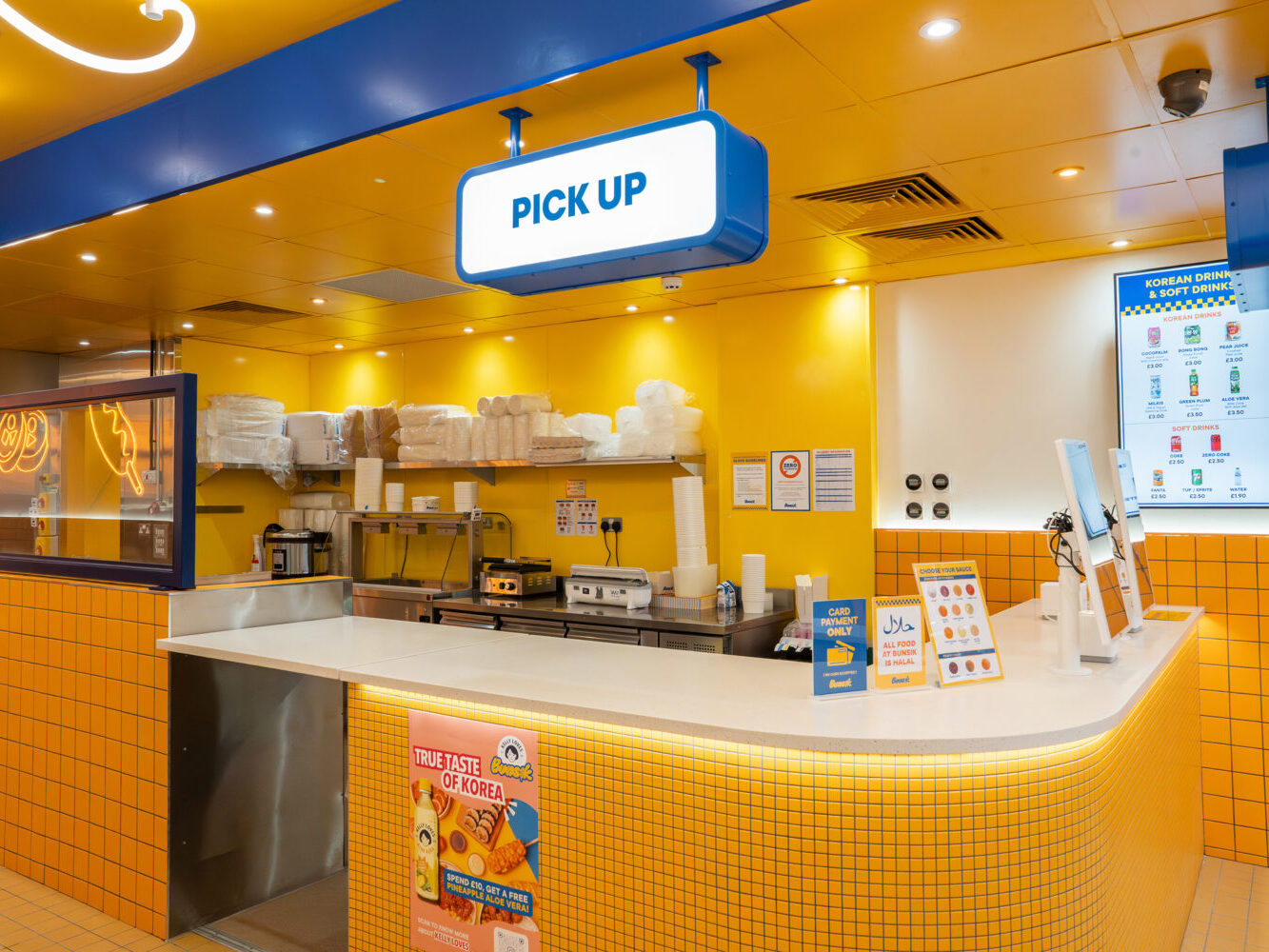
A Bunsik restaurant
Korean supermarkets are also becoming an increasingly important part of the UK retail landscape. Oseyo, for example, reflects the growing appetite for authentic, globally inspired food shopping. Consumers are more adventurous in their tastes, more comfortable cooking with international ingredients, and more open to convenience-led formats that combine grocery, snacks and discovery. LM has worked with Oseyo on opportunities including Lion Yard Cambridge and Exeter, with further demand demonstrating the strength of this category.
In 2026 alone, LM has completed 18 deals with K-beauty brands, alongside further activity across Korean F&B and supermarket operators, representing 55,000 sq ft leased across major UK destinations.
Good examples include lettings to Bunsik at Westquay Southampton and Cabot Circus Bristol, PureSeoul at Lion Yard Cambridge, and Oseyo at Lion Yard Cambridge and Princesshay Exeter. Together, these transactions show how Korean brands are becoming a meaningful and scalable part of the UK retail mix.
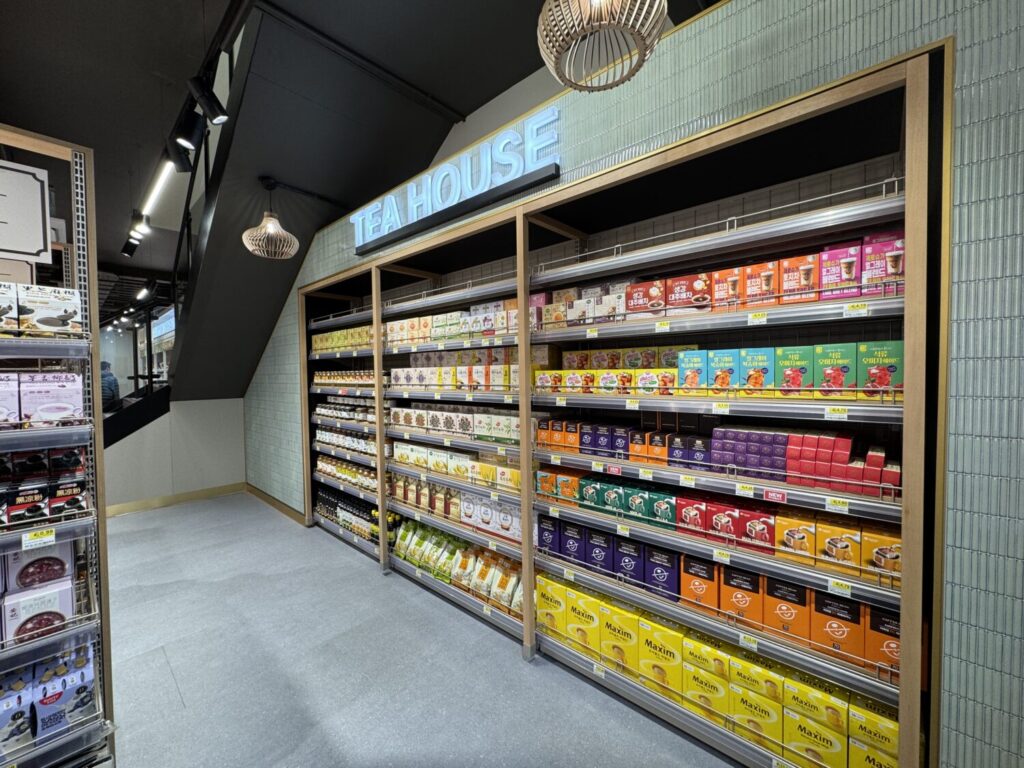
Oseyo is a Korean supermarket retailer which has made its way into UK markets
As consumers continue to seek out points of difference that justify a journey to a shopping centre or high street, Korean brands remain compelling, offering a culturally current and exciting diversification of the shopping experience. Korean brands also tend to benefit from clustering together, as seen on Charing Cross Road with Moida, Skin Cupid and Reiwatakiya, and we expect this trend to continue as more operators look to establish complementary destinations within shopping centres.
As the category continues to mature, the opportunity for landlords and brands alike is to move quickly, choose the right locations and build on momentum that shows every sign of lasting well beyond the trend cycle.