Autumn Budget: industry reacts as business rates threshold increased
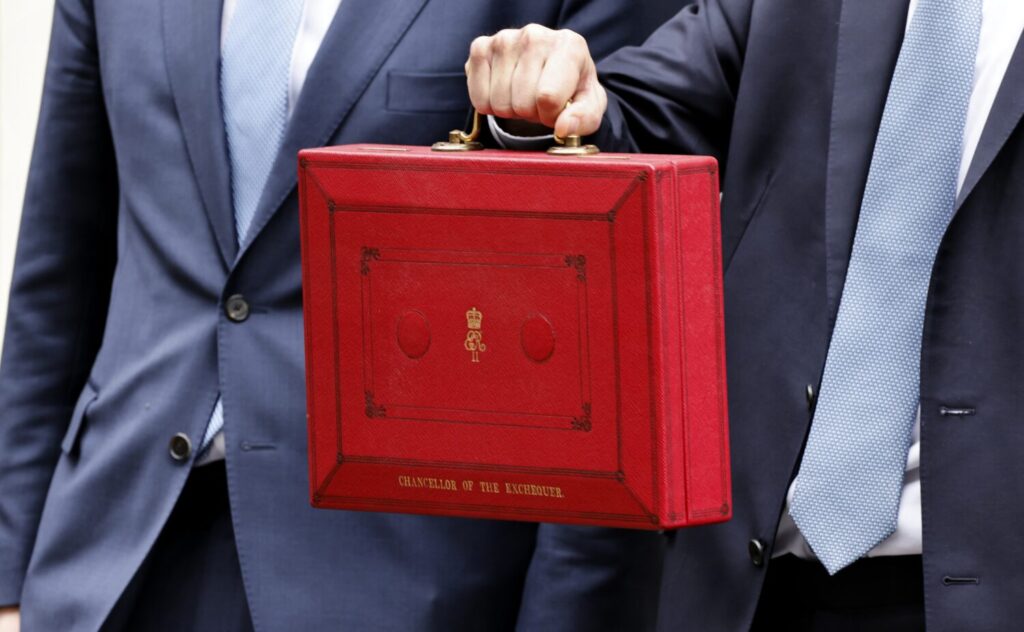
The Chancellor John Healey has laid out the Government’s plans for the economy in his inaugural Autumn Budget.
Included in the proposals are changes to the way that business rates are applied to high street businesses. From April, the threshold at which high street shops begin to pay business rates will be increased from £12,000 to £18,000. This means that businesses would pay no rates on properties with a rateable value below this threshold.
Adult game centres and vape shops will not qualify for this business rates relief.
In addition, all proceeds from business rates will be held locally by the end of the decade, with mayors retaining 20% of the revenue from next year.
Last year’s Budget saw an overhaul of business rates, including new business rates multipliers, revised relief provisions, and new support schemes.
Industry figures have reacted to today’s announcement:
Dan Parr, senior vice president at CACI, and chair of Revo, said: “Retail and leisure came into today’s Budget seeking relief from a cost base that has risen sharply over the past two years. The increase in the Small Business Rates Relief threshold will ease pressure for some, but many will be disappointed that policy didn’t extend a bit further, reflecting the sector’s collective contribution.
“As part of Revo’s submission to the recent Revitalising High Streets Inquiry, we were keen to stress that High Street success would also need to work for larger brands, as critical anchors for places that bring consistent footfall, spend, and investment. The focus of today’s Budget appears to be on supporting smaller businesses, but inspiring investment from bigger businesses is equally important.
“CACI’s latest research delivered a Consumer Confidence Index for October 2026 at -7, exactly the same as last year. The index runs from -100 to +100 and combines how people feel their finances have changed over the past year with how they expect them to change over the next. Over the last 12 months the index score is -11, and the equivalent looking ahead is -3, a relatively more optimistic outlook. That is a positive story for business, and some of the policies outlined for individuals throughout the UK – such as the £100 energy payment and VAT cut – will make shoppers and diners feel better around Christmas.”
Kay Buxton, chief executive of Marble Arch London BID, said: “Retail, hospitality and leisure businesses make up over half of Marble Arch BID members, playing a vital role on the high street and in our neighbourhoods. Shops, restaurants, pubs, cafes, hotels, clubs and attractions are the beating heart of Edgware Road and the overall BID area.
“We therefore welcome the Chancellor’s decision to provide business rate relief for small businesses across the retail, leisure and hospitality sectors. Through these measures the Government has recognised the structural vulnerabilities and the essential role these businesses play in local economies and high streets.”
Stephen Springham, partner and head of retail research at Knight Frank, said: “Limited movement on business rates at this Budget did not coincide with a ratings revaluation, with multipliers/bandings already set in stone (mercy only to inflation), leaving the Chancellor with limited levers to pull. Raising the threshold from £12,000 to £18,000 may benefit some small traders and sole operators, but will not address underlying high street pressures. Pubs, nightclubs and music venues may be left disappointed that they were not afforded additional rate relief than that already announced, while other hospitality sectors even more aggrieved that relief has not been extended to them, despite being bound by the same economic, financial and operational pressures.”
Dee Corsi, chief executive of New West End Company, said: “There’s a lot to welcome today. The Chancellor has rightly described London as an economic powerhouse, and the Government has taken welcome steps to support our high streets. Measures including a real-terms freeze on business rates for all retail, hospitality and leisure businesses, and making online marketplaces collect the VAT they owe, are encouraging. The commitment to greater devolution, with more locally raised funding staying local, is also something we have long called for, and good growth in every postcode starts with places like the West End.
“Whilst business rates reform remains the long-term prize to ensure all of our high streets are competitive on a global scale, the biggest opportunity now is a West End that is open to the world. With the Visitor Economy Growth Strategy still to come, we can turbocharge the measures that bring international visitors back, from a visitor spending incentive to making sure the right delivery partners are in place when the overnight visitor levy arrives.
“The West End generates enormous value for the whole country, and we are ready to work with the Government and the Mayor to keep powering the West End for the nation.”
Gemma Gathercole, strategic engagement lead at The Association of Chartered Certified Accountants UK, said: “Business in the retail, hospitality and leisure sectors will welcome the increased threshold for small business rate relief. These labour-intensive sectors have been significantly impacted by employment and minimum wage increases, so this will provide some relief. However, ACCA would welcome a review of the business rates system in the longer term to ensure that it fits the modern economy.”
Abban Magos, associate director at LM said: “It’s encouraging to see the government allocating funds to support high streets through a package that will reduce, freeze or eliminate business rates for retail, hospitality and leisure properties in England. We also welcome the increase in the Small Business Rates Relief threshold, which will ease pressure on independent operators and newer businesses entering the market. These businesses bring a distinctive offer to our high streets and shopping centres. UK retail and hospitality businesses have faced significant challenges since the pandemic, and more targeted support is needed to reduce costs. For now, we’re encouraged by the Chancellor’s promise of breathing space while the government takes longer-term action to bring costs down for good.”