Comment: A guide to creating a thriving destination through placemaking

By Gillian Fletcher, director of estates and creative at Form Property
For owners, operators and brands alike, the challenge is no longer simply attracting occupiers or filling units. It is creating destinations that give people a reason to visit, stay longer and spend more.
That is where placemaking has moved from a marketing add-on to a commercial discipline. Understanding this, and responding to it, sits at the centre of how we shape and manage our clients’ assets.
Working across some of Manchester’s leading destinations, including Spinningfields and St John’s, we have built a sophisticated placemaking strategy that places equal importance on day-to-day operational excellence paired with an extensive calendar of thoughtfully curated events and activations.
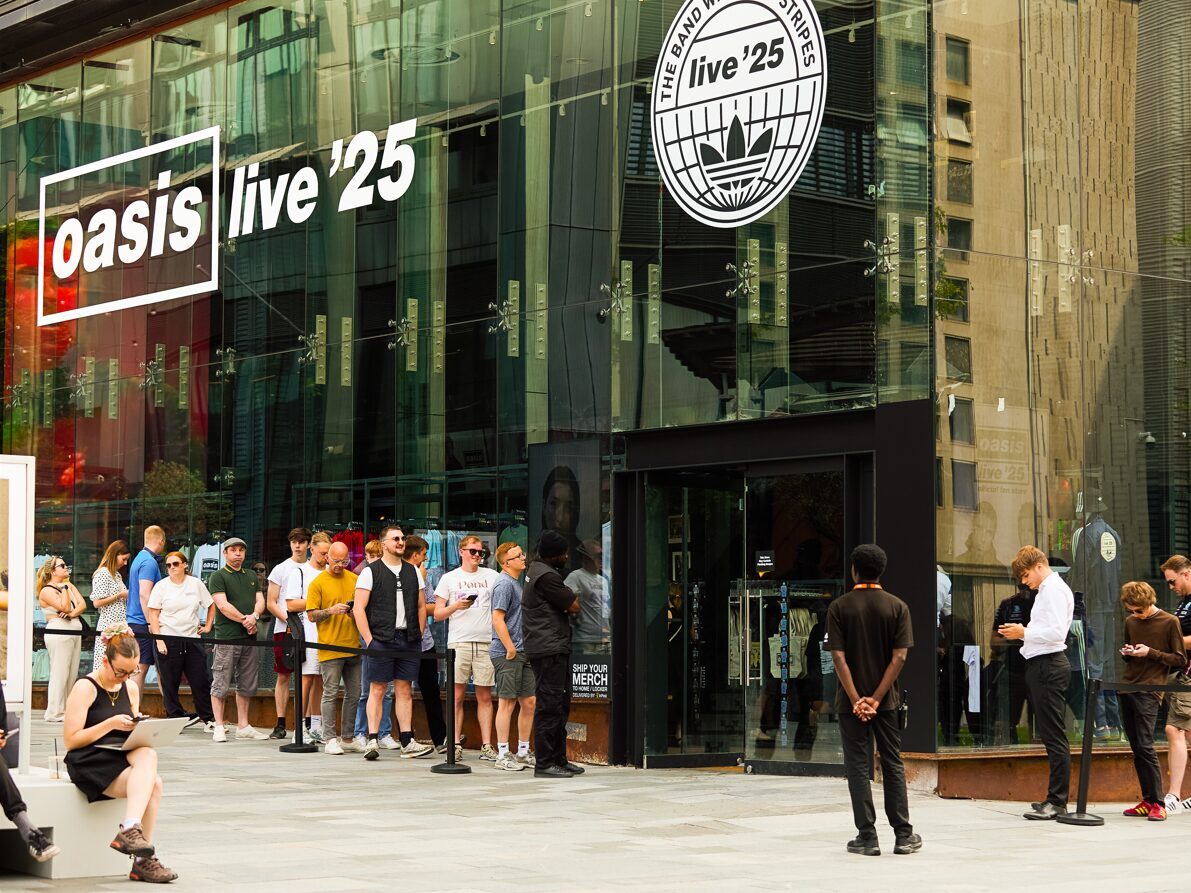
The official Oasis Live ’25 fan store at Spinningfields
In an increasingly online world, physical retail must work harder to justify in-person visits. Despite physical retail’s best efforts to retain existing and win new customers, digital channels are seen by increasing numbers of shoppers as the more ‘convenient’ option. As a result, bricks-and-mortar must constantly compete by enhancing its differentiators, direct experience, and human connection. Successful destinations are those which understand that retail is not just about customer transactions but about creating experiences that make places worth visiting again and again.
To create a thriving place, we must start with the fundamentals. Before any destination can benefit from headline-grabbing, crowd-pleasing activations, it must work at getting the smaller details consistently right. Security, cleanliness, maintenance and wayfinding all shape how people experience a place, whether consciously or not. If visitors do not feel comfortable, safe and cared for, even the best strategy will struggle to translate into repeat visits or strong retail performance. In that sense, placemaking is as much about operational excellence as it is about creativity.
These details may sound basic, but they are often the difference between a destination which people pass through and one they actively choose to return to. When those essentials are in place, brands are better positioned to trade well and visitors are more likely to dwell, spend and return.
But the smaller details alone are not enough. To create genuinely thriving destinations, operators also need larger-scale activations that build profile, generate footfall and give visitors fresh reasons to engage.
The key is balance: the most effective placemaking strategies do not promote spectacle for its own sake, but use events, partnerships and cultural programming to reinforce the identity of a place and support long-term commercial outcomes.
We are also aware of the importance of being able to track all aspects of a placemaking strategy, once implemented, since this allows us to make adjustments over time to optimise performance. This will normally cover everything from footfall and dwell time to tenant sales and retention, social media reach and even spend per customer per visit.
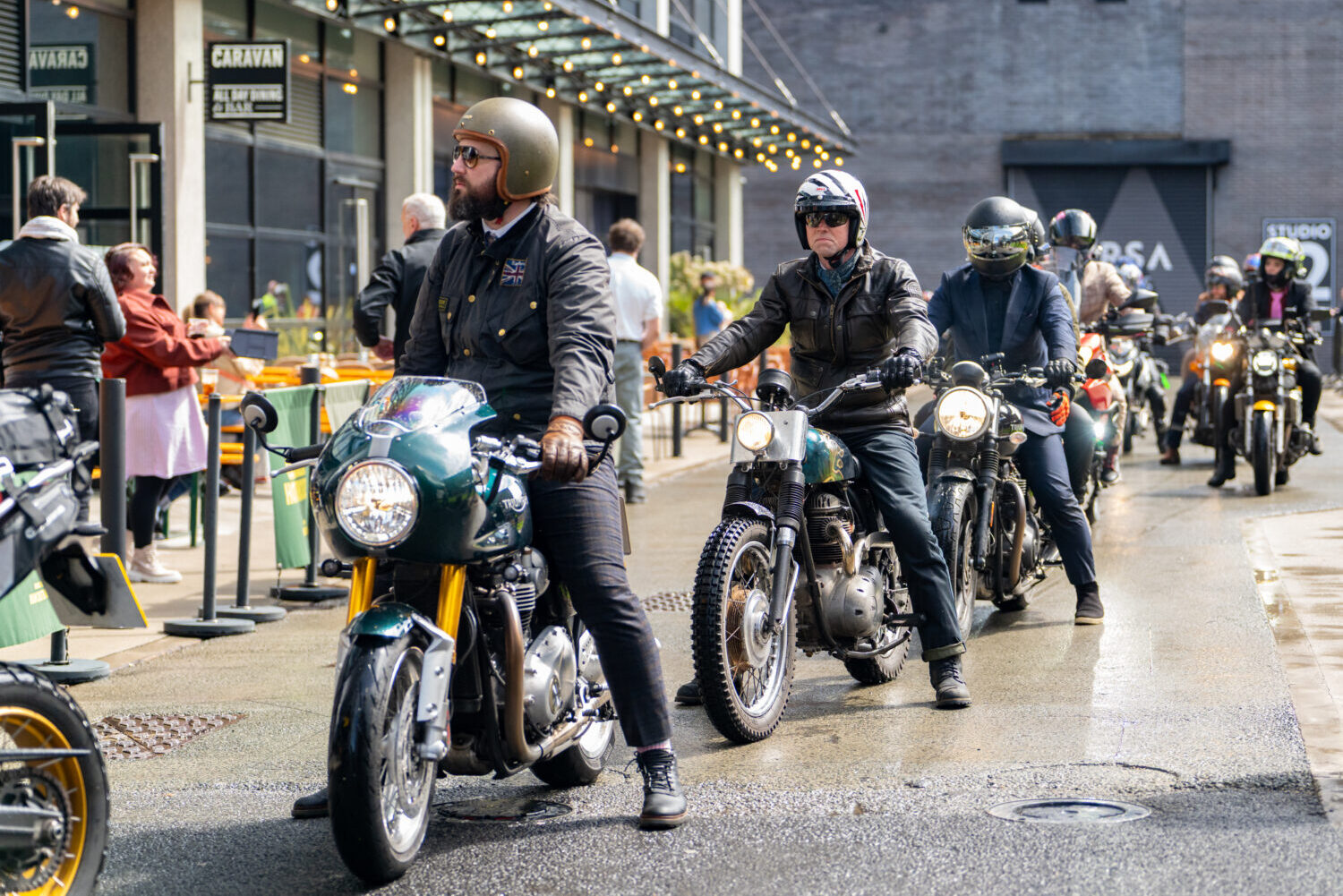
The Triumph Distinguished Gentleman’s Ride at St John’s
Form’s work across Spinningfields and St John’s offers a strong example of this approach in action. At St John’s in particular, the return of ‘The Triumph Distinguished Gentleman’s Ride’ as part of our event series ‘The Weekender’, in May shows how a destination can use a meaningful, public-facing event to bring community, culture and commercial activity together. Our approach seeks to create a sense of ownership and engagement with the destination across all stakeholders who have a potential interest, from those living and working in the area to local community and cultural organisations. It is not simply about attracting customers. The strongest destinations are those which stakeholders choose to visit regardless of whether any special activity is taking place; this, in turn, helps to reduce a destination’s over-reliance on programmed events, which can otherwise lead to significant fluctuations in footfall.
The wider Weekender programme positions the estate as a place for live music, food, markets, and social gathering, of which the ‘The Triumph Distinguished Gentleman’s Ride’ is one anchor activity, helping to build a stronger sense of identity around the neighbourhood while encouraging visitors to spend more time on site. Meanwhile at Spinningfields, activations such as the Astrid & Miyu Cosmic Airstream pop-up, Le Labo on Wheels and the official Oasis Live ’25 fan store demonstrate how carefully-chosen brand partnerships create buzz, social visibility and a sense of exclusivity, while also giving consumers a compelling reason to visit in person rather than limit their participation to online browsing.
For the retail sector, our advice is clear: thriving destinations are not created by one-off campaigns or isolated leasing decisions. They are built through a consistent strategy that aligns operations, estate management, brand partnerships and cultural programming.