Modern leasing in retail real estate: observations from an award-winning dealmaker

By Christine Grace, leasing director at Multi-Realm
About the author: Christine Grace has 28 years in the retail real estate sector and is well placed to take a timely glance at how the post-pandemic occupier market has changed in the outlet and leisure shopping asset class. In this article she delves into some of the applied skills and experience that contributed to the recent recognition at GRO Retail Awards as well as her take on the trends to expect in 2026.
Multi-Realm recently won the Dealmaker of the Year at the 2025 GRO Awards for its work on delivering a 98% occupancy at the opening of Cotswolds Designer Outlet.
Leasing space to retailers and F&B operators has always been a dialogue of selling. Marrying up demand from brands with available units in a process of approach, presentation, handling objections and closing. In the past deals were linear and went step by step from agreeing heads of terms into instructing legals and ending with signed documents and exchange.
What has changed, particularly in the last four years, is the length of time this process now takes and the complexity of variables at play. Competition to let space has increased and despite the impact of tech and data in negotiations it is the role of relationship building, people skills and old fashioned service levels that often makes the difference. Retailers and agents want to see affinity, understanding and de-risking. They don’t want to be sold to.
The Approach
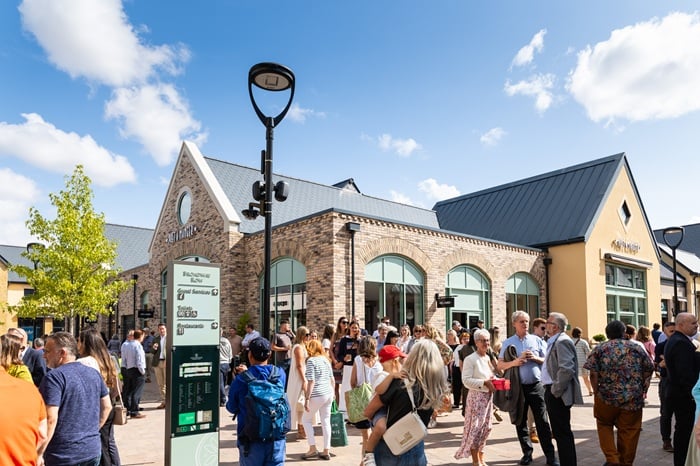
Multi-Realm’s Cotswolds Designer Outlet, which opened in the summer
We now tailor all our approaches to brands so they are nuanced and informed by the right data. Whether talking to new entrants to the outlet sector or returning heavyweights like Gap, contacting an independent coffee operator, or discussing an upsize with an existing occupier: proactivity and speed of response is the key here. We see our role as business development for our brand partners and take on an entrepreneurial approach. There is no point in leasing space to a brand where we don’t think they will succeed and thrive.
The Presentation
Brands and operators are not short of opportunities as the UK still wrestles with an oversupply of space. What has changed here is the role of data and how detailed the leasing brochures and supporting materials now need to be. Brands will do their research and trawl online reviews whilst agents can now use AI to appraise whether a scheme fits their own criteria for expansion. Our own use of data and modelling performance has been honed over the last 24 years so this is not a new fad where the tech is leading us all on a merry dance. We look at the practicalities of a local and extended catchment as well as consumer behaviour. At Cotswolds Designer Outlet we were able to predict the first 5 months footfall to within 2% accuracy.
Handling Objections
Patience and resilience is the modern way here and using a multitude of communication platforms to keep negotiations going. What starts via phone or email may end up progressing using WhatsApp. We keep our leads engaged and regularly send photos or examples of exceptional trading at the scheme we are trying to lease so evidence comes from a multitude of sources.
The current clauses that hold up proceedings often relate to green leases, ushering in enhanced shopfitting specifications, how to handle online and click-and-collect sales, storage provision, and more recently the requirement for brands to partake in centre-wide marketing and loyalty schemes. It is a balance as latterly we have seen occupiers seeking to populate their own databases, sell their own gift cards, and convert their footfall to more online sales. We need to remember that successful destinations are more than the sum of their parts and there is expertise in all well-informed leasing teams who increasingly work hand-in-hand with marketing teams to ensure launch and promotional strategies align.
The Close
As leasing professionals we have to be aware that going to board does not guarantee a signature on a lease. Deals have become more unpredictable – signatures and approvals can be delayed and derailed by international uncertainty, tariffs or simply views and opinions in the boardroom that are not as well informed as the agents on the ground. We can only control what is within our grasp so it is vital that communication and presentations are concise and accessible to avoid surprises at advanced stages of negotiation.
Summary and Outlook for 2026
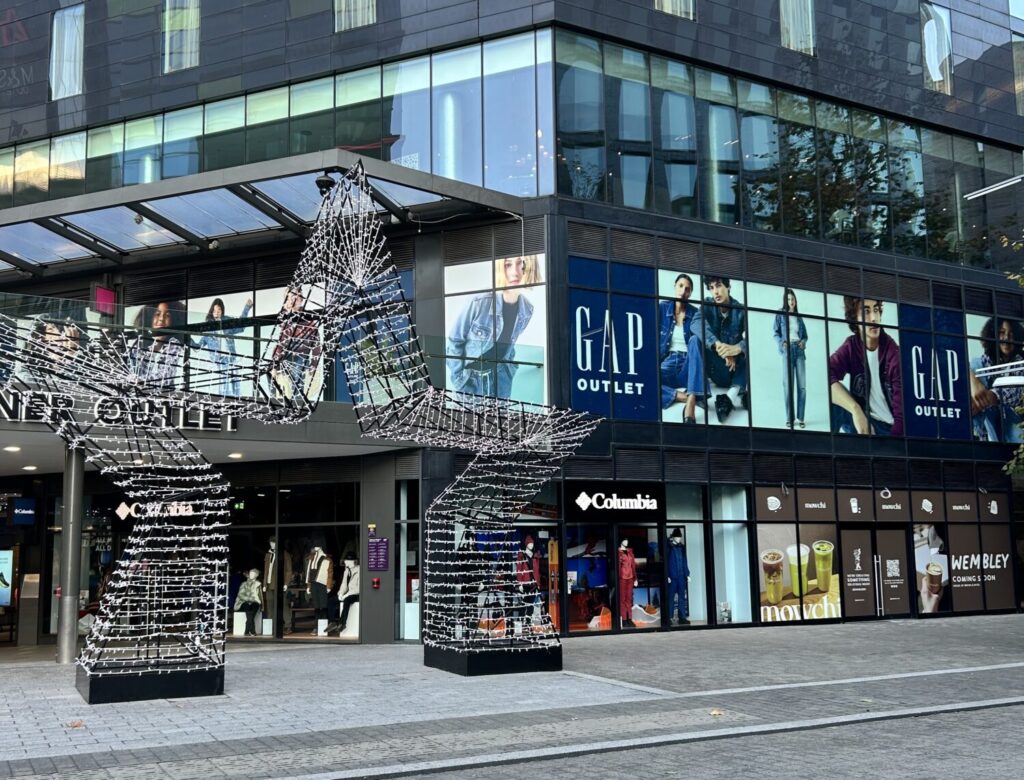
London Designer Outlet, with new arrival Columbia and the store vinyls for GAP and Mowchi
Leasing professionals no longer “sell” a white box or a shell unit within a shopping destination on specifications alone. Trust, transparency and data are what agents and brands now want to see to de-risk store portfolio expansions and optimise their trading and added value.
In the last few years retailers have largely reinvented their own business models and platforms, all whilst tackling considerable headwinds. It is now time for retail real estate professionals to do the same. Leasing teams now need the market knowledge to take on responsibility for finding the right brand partners from all areas of the global spectrum right down to independent operators that new audiences and Instagram have created.
As an industry we need to be ultra aware of these shifts in consumer behaviour and to be able to model the impact of new stores on other platforms by plotting all tiers of their catchment and digital audience. The need for collaboration has never been more pressing – working with retailers to ensure better decision making and better run assets.
Finally, my hot tips for 2026 are to look out for retail and leisure shopping destinations increasing their F&B provision even further, diversifying in their choice of occupiers as more partnerships and collaborations take root. With sustainability getting louder next year expect greener leases and deals that enhance and protect both the value proposition of physical stores and their sense of amenity and purpose.