The wellness trend: improving the health of UK high streets?

By Kimran Gill, GCW
From saunas to sound baths, vitamin injections to vitality checks, wellness-led concepts are quickly reshaping the nation’s high streets. The rise has been rapid, but there seems to be plenty of growth potential for the future – creating exciting opportunities in retail property.
Many experiences and products that were once seen as highly specialised, esoteric, or even a little eccentric, are now becoming much more mainstream. The spectrum is very broad: lifestyle-based activities such as cold plunges, cryotherapy or infrared Pilates; medical procedures such as IV infusions or peptide injections; diagnostic services, from cholesterol tests to full-body checks. Alongside these, retail shelves are now filling up with a fast-expanding variety of functional supplements, going beyond traditional multi-vitamins to include ingredients like collagen, lion’s mane, and milk thistle, which are becoming everyday purchases.
The operators in this growing market also vary enormously, from emerging brands with specific offerings, to established and national brands that are including wellness in their overall portfolios. Examples of the latter include Superdrug and Boots. Superdrug has extended its in-store wellness offerings to include nurse-led clinic services that provide advice on a wide range of health topics directly onto the high street. Boots, with its healthcare heritage, has embraced the opportunities of the trend as a natural diversification. It’s now re-engineering stores to accommodate wellness zones, staffed by trained health and wellness specialists. Similarly, some gym groups, like David Lloyd and Third Space, have added wellness experiences, such as sound baths and breathwork, to their repertoires.
F&B operators are also getting involved. At M&S, you can now buy Brain Food smoothies, bars and shots, developed with the British Nutrition Foundation and containing nutrients believed to support brain health. Meanwhile Joe & The Juice is extending its wellness credentials beyond nutrition by hosting ‘Burning Soles’ running clubs, where participants can join in runs and enjoy a free juice and snack upon completion. They are combining community-building with physical wellness, encouraging both mental and physical wellbeing plus brand loyalty.
Why is this trend intensifying now?
Much of this growth is driven by a shift towards preventative health. More people are taking responsibility for their own wellbeing; a trend that intensified after Covid heightened awareness and anxiety regarding health. Practices that once felt like a luxury, or optional, are now widely viewed as part of everyday life.
Social media has accelerated this change. Influencers have helped normalise and popularise even the more extreme corners of wellness culture, increasing demand and encouraging operators to scale up and move into physical retail spaces.
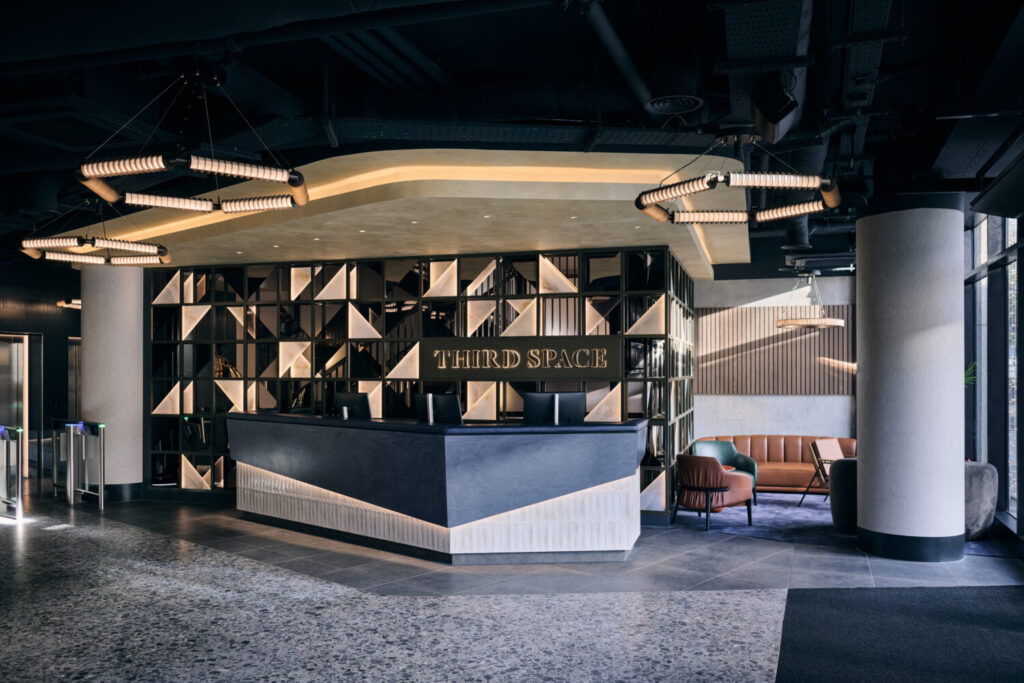
Third Space at The Whiteley
Is it all good?
While the overall direction of travel is positive, the sector is not without its challenges. Questions remain on regulation, operator credentials and the evidence base behind certain treatments. There is also a risk that some consumers are driven more by social signalling than genuine health outcomes.
From a property perspective, though, the key question is longevity: will wellness remain a fixture on the high street, or is it a passing phase?
So far, the signs are encouraging. Investment from established brands, alongside the success of smaller specialist operators, suggests the category has depth. This is positive for landlords, as wellness is helping generate repeat visits, predictable trading patterns, and footfall that extends beyond the traditional hours.
Importantly, wellness also fits the shape of the modern high street. Service-led, experience-based operations are largely insulated from online competition. Also, these uses are well suited to more-secondary locations and awkward unit configurations that many landlords now struggle to repurpose. They trade throughout the day, integrate naturally with F&B, and sit comfortably within mixed-use environments.
As wellness services become more familiar and accessible, participation is likely to broaden further. Whether it’s yoga classes at the nearest Lululemon store or meditation sessions at the local community centre, every new venture builds interest and encourages participation. These services help anchor routine and habit-forming visits, with each new and established operator helping to normalise the category and strengthen the overall sector.
The risk is in treating wellness as a novelty. If curated thoughtfully, it has the potential to evolve into a core high street use, not unlike gyms or cafés before it. The opportunity lies in recognising that wellness is a signal of how people want to use physical space.
What does this mean for retail property?
For landlords and investors, wellness represents a compelling alternative use class. Traditional shops are being repurposed as studios, treatment spaces or quasi- clinical environments. Also, many wellness operators are highly flexible on space requirements. They can often trade successfully from smaller units, basements or upper floors, locations that conventional retailers may struggle to occupy. This adaptability is an extremely compelling attribute of the sector and has allowed landlords to extract value from space that might otherwise remain vacant or underutilised.
Visibility, too, plays a different role. For many wellness brands, a prominent shopfront is not essential. Customers are typically destination-led, finding operators via social media or word of mouth and willing to travel for the right offer. This changes how location is valued and widens the pool of viable retail stock and supports the reactivation of secondary locations.
There are also positive spill-over effects. A wellness studio can complement neighbouring cafés, food operators and retailers, introducing new audiences. Appointment and class-based visits encourage longer dwell times and routine footfall, helping avoid inconsistencies in trade that many high streets now experience. Over time, that increased activity can help strengthen entire neighbourhoods and enhance asset values. While covenant strength can vary, operators often demonstrate strong customer loyalty and predictable income streams, particularly where membership models are in place.
Wellness may have arrived through the lens of personal health, but its impact on the high street – and on retail real estate more broadly – looks set to be structural rather than short-lived. For property owners willing to think beyond traditional retail classifications and curate space accordingly, wellness offers not just an answer to vacancy, but a strategic route to future-proofing assets in a changing market.
GCW is seeing a lot of interest from health and wellness operators. Among them, Randox Health, a leader in diagnostics, has ambitious plans in this sector). Also, dietary supplement specialist Royal Oak Health has recently opened a new store at the Windsor Royal scheme. These are just two examples of what looks likely to become a key growth area for commercial property.