UK shopping centre investment sector set for strong second half of 2026 with £1.4bn of assets in the pipeline
The UK shopping centre investment market is set for a strong second half of the year, according to new research from Savills.
The real estate adviser found that there are currently 17 shopping centre transactions with a combined capital value of £1.1bn under offer, with a further 19 centres currently on the market with a combined quoted value of around £320m. Together, this represents a pipeline of £1.4bn of shopping centre stock currently under offer or actively being marketed.
According to Savills, H1 activity was heavily weighted towards the start of the year, with the first quarter accounting for £418m of transactions, before activity slowed the next quarter with £85m completed across four transactions. However, the group said the slowdown masked a more positive underlying picture, with a significant volume of stock either under offer or actively being marketed.
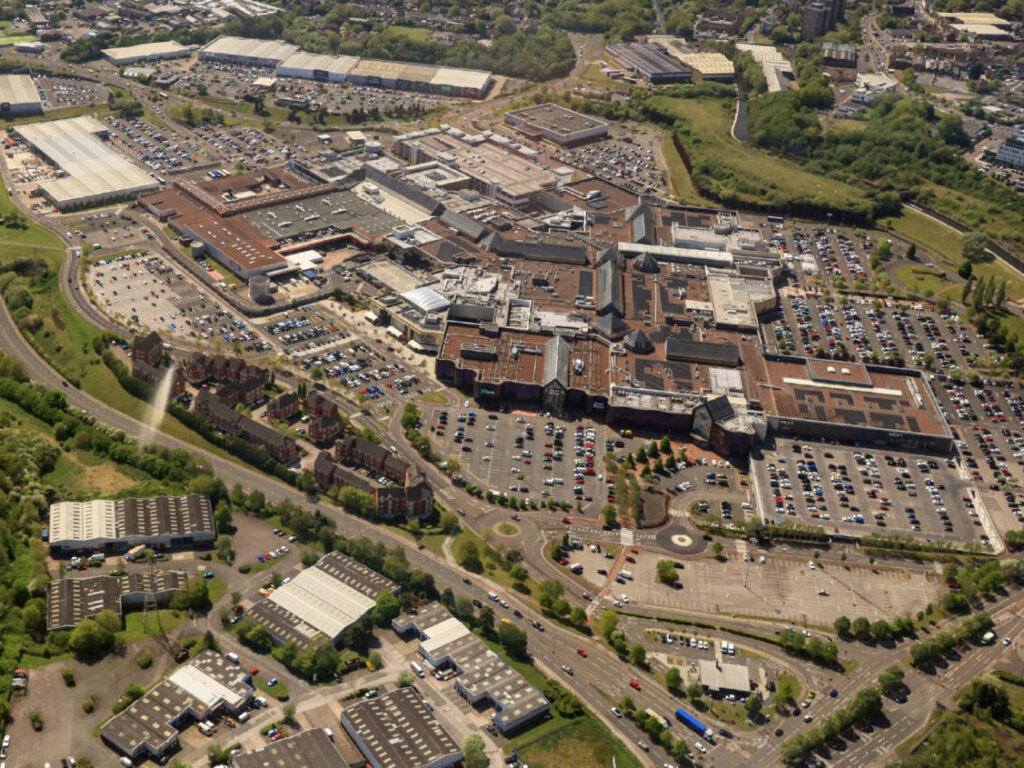
Average transaction values have now reached £44m in the year-to-date in 2026, the highest level since 2016, reflecting a shift back towards larger, institutionally relevant assets. Merry Hill and The Broadway, Bradford together accounted for approximately 72% of H1 transaction volumes, which Savills said continued the trend of larger lot sizes driving activity in the sector.
Mark Garmon-Jones, head of shopping centre and retail investment at Savills, said: “The second half of the year is where we expect the market to become much more active. H1 was respectable, but uneven, with a strong Q1 followed by a quieter Q2. What matters now is the depth of the pipeline; this is not a market short of demand, but one where activity is increasingly being driven by better-quality assets.”
Savills also noted that after several years on the sidelines, institutions and REITs are once again actively targeting shopping centres, particularly larger, dominant schemes with occupational resilience and long-term asset management potential. The group said this renewed appetite is helping to underpin confidence and could support further activity throughout the remainder of 2026.
The research found that the occupational market is also providing a more favourable backdrop for investors. Shopping centre vacancy fell to 16.1% in Q2, its lowest level in 10 years and the sharpest quarterly improvement since the first quarter of 2016. Savills said this reflected improving leasing demand, delayed decisions from earlier in the year coming through, demand spilling over from the supply-constrained retail warehouse market, and continued repurposing of secondary space.
Sam Arrowsmith, commercial research director at Savills, said: “The shopping centre market enters the second half of 2026 in a stronger position than the Q2 figures alone suggest. Vacancy has seen the largest quarter fall in 10 years, leasing demand is improving and the return of institutional capital is a clear signal that confidence is rebuilding. The risks are more about timing than direction, and for well-capitalised buyers the window to secure high-quality assets ahead of further yield compression is narrowing.”